
How Nervous Care Boosts Well-Being
What is Nervous System Regulation?
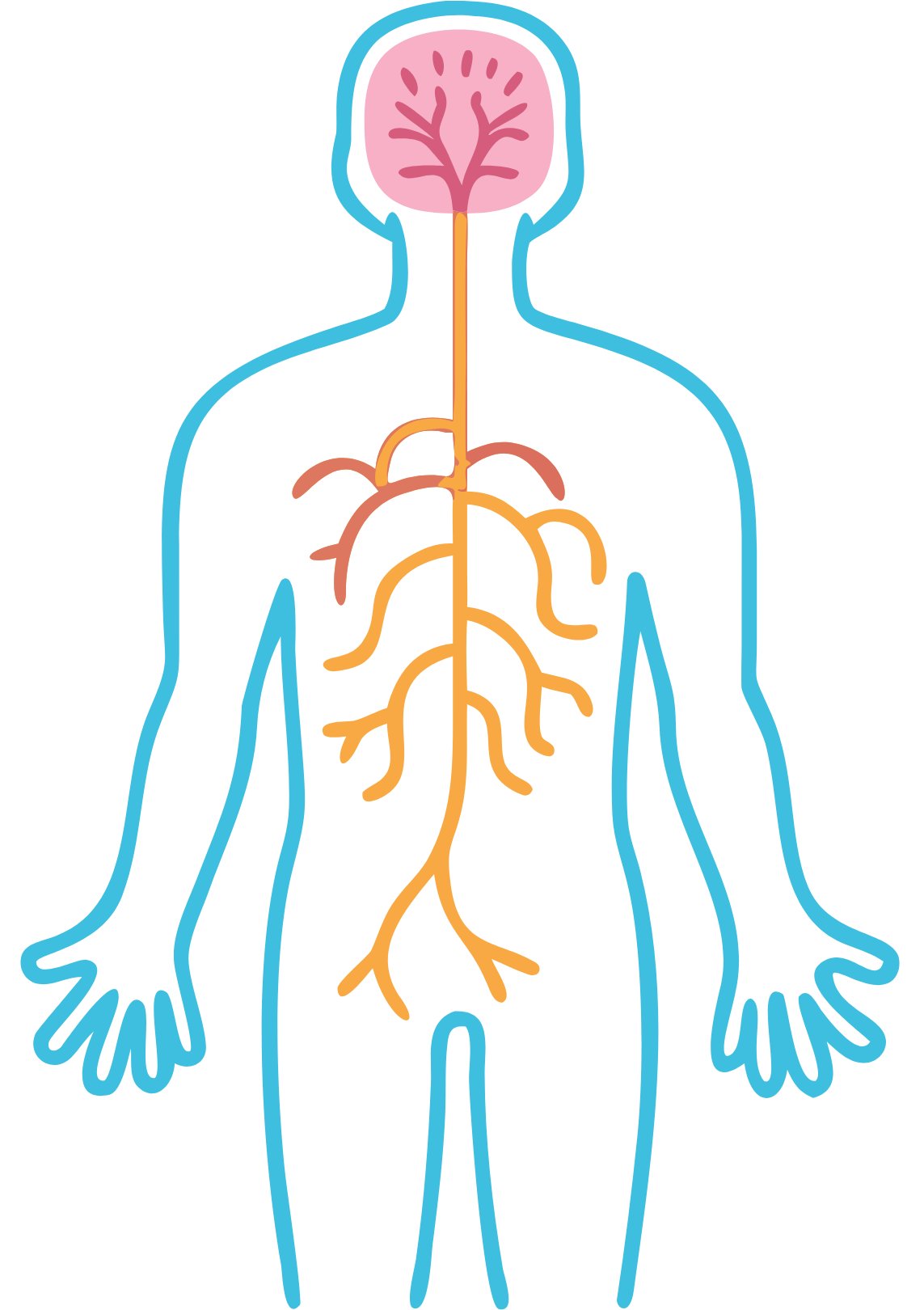
Your nervous system controls how your body responds to stress, rest, and everything in between. It includes:
- The sympathetic nervous system (“fight or flight”)
- The parasympathetic nervous system (“rest and restore”)
When stress is constant (caregiving demands, health concerns, poor sleep, isolation). The body can remain in a low-grade fight-or-flight state. Over time, this can impact:
- Blood pressure
- Sleep quality
- Mood stability
- Immune function
- Memory and cognitive clarity
Nervous system regulation focuses on helping the body return to balance more consistently and efficiently.
Why Nervous System Regulation Matters
As we grow older, resilience can naturally decline. The body may take longer to recover from stressors, illness, or emotional strain. Chronic stress has also been linked to increased inflammation and higher risk of cognitive decline..
Supporting nervous system health may help:
- Improve sleep patterns
- Enhance emotional stability
- Reduce feelings of overwhelm
- Support heart health
- Encourage mental clarity
- Improve overall quality of life
Practical Ways to Support the Nervous System
- Slow, Intentional Breathing Deep diaphragmatic breathing stimulates the vagus nerve, which activates the parasympathetic (calming) response. Try This: Inhale slowly for 4 counts Hold for 4 Exhale for 6 Repeat for 2-3 minutes
- Inhale slowly for 4 counts
- Hold for 4
- Exhale for 6
- Repeat for 2-3 minutes
- Walking, stretching, chair yoga, or light strength training helps discharge stress hormones and regulate mood
- Going to bed and waking at the same time daily strengthens the body’s internal clock, which stabilizes nervous system rhythms.